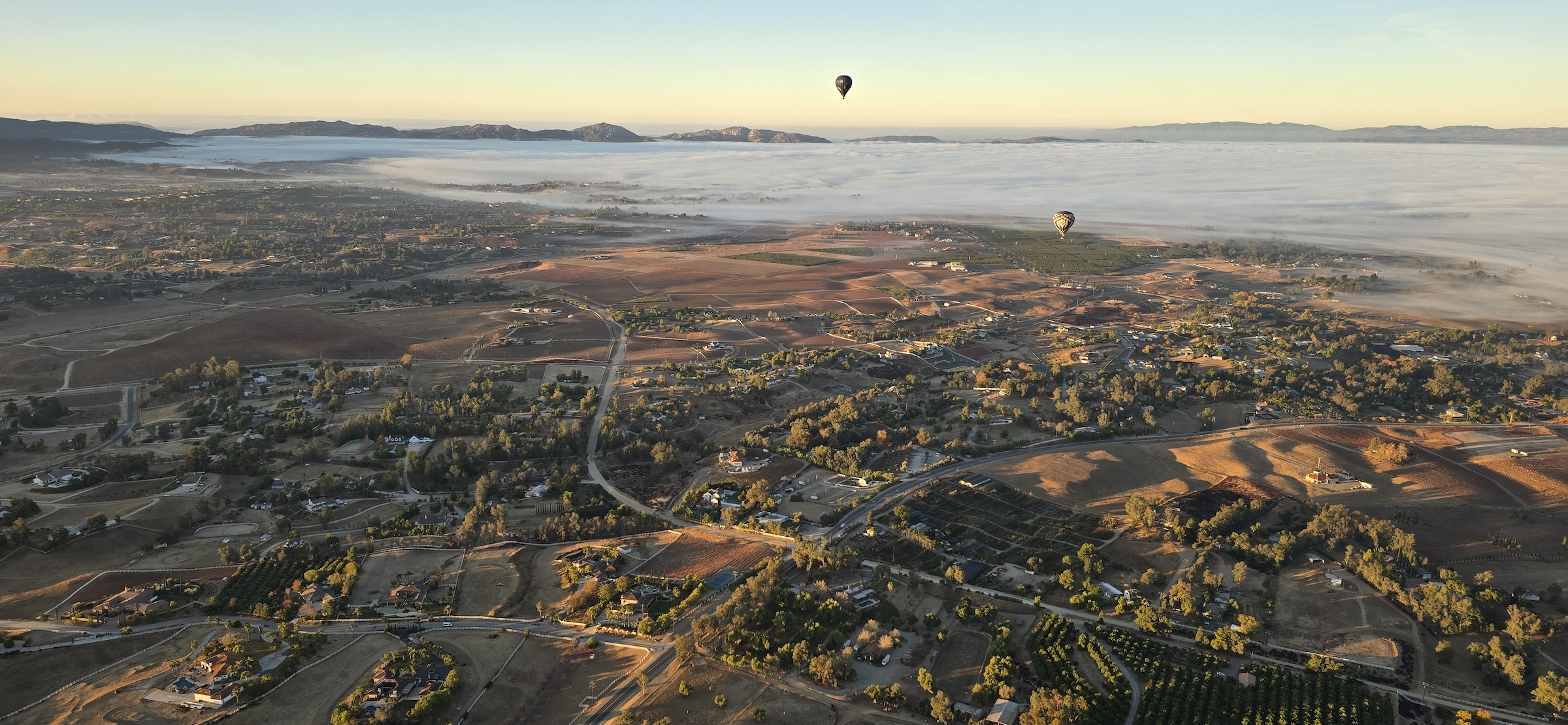
I was 48 or 49, thundering up the 405 freeway in my almost-new black 5.0 Mustang, classic rock blaring from the radio, wind from the open windows whipping through the car. I've always preferred real air to the artificial kind. My long, blonde hair lapped around my face. I don't remember what I was thinking; my mind was on autopilot, enjoying the power of the ride.
Then, I saw the billboard.
The first to live to 150 is alive today.
The simple, bold, all-cap text caught my eye, but it was my brain that zeroed in on the caption like a homing beacon. I felt challenged. Curious. Provoked. I pondered the question it seemed to pose. Could I be that person who lives to 150? Maybe a bit of competitiveness took hold. Could I be the first?
It was a Prudential ad for retirement, but even to this day, I have no ambition to retire.
What would it really take to live to 150 years of age?
I remember discussing this conundrum with my fit, athletic mother. Surely, the woman who logged 50,000 running miles by my same age, and who read hundreds of books over a single summer, would be a candidate for super longevity. It became a mental exercise we would play, pondering the what-ifs and what it would take.
She told me about a philosophy exam she took in high school. The entire test contained one question:
Why?
While her classmates filled their blue books with pages of answers, my mother wrote two words:
Why not?
She turned it in. She got an A.
Of course, human biology will tell us why not. The oldest recorded human, Jeanne Calment, made it to 122. She rode a bicycle until 100 and once said she only had one wrinkle— and she was sitting on it.
My mother wouldn't even make it past 71. I remember getting the call. It was from a coworker from the Long Beach Aquarium, and my mother had missed her Captain duties of showing up at 5:30 a.m. to feed the fish. Where was she?
I abruptly left work from my Newport Beach office, forcing every mile to pass along the otherwise scenic Pacific Coast Highway. This was not like her. I knew something was wrong.
I found her collapsed, semi-dressed, by her little breakfast table in her apartment, coffee mug half-full, newspaper folded in reading mode. My cell slipped out of my hand after I dialed 911, and the operator told me I didn't need to shout, but the phone had slid across the room, and I was trying to hold my mother. She was still breathing, but barely. I was ragged. Torn. Gasping for my own air.
It was only three hours later, after the doctor had confirmed the brain aneurysm bleed had seeped into half of her brain, that the breathing tube keeping her with me was pulled at my instruction. I held her hand, alongside the social worker, in that hospital cubicle, tears streaming uncontrollably down my face as she left me. My husband could not stay. We were on a deadline to pick up our toddler from daycare before it closed.
When I was cleaning out her apartment, I found the brand-new red broom and dustpan she had picked up on her seven-mile walk the day before she died. I used them until they broke.
My son doesn't remember "Nana." She was his first babysitter, consoling him for hours in the red velvet nursery rocking chair, afraid to move in case the slightest movement would wake him again.
While my enthusiasm for outliving my closest family members greatly diminished, and I realized it was unlikely that I would reach 150 or be the first, it became a private math problem I never stopped doing. The possibilities and probabilities fascinated me.
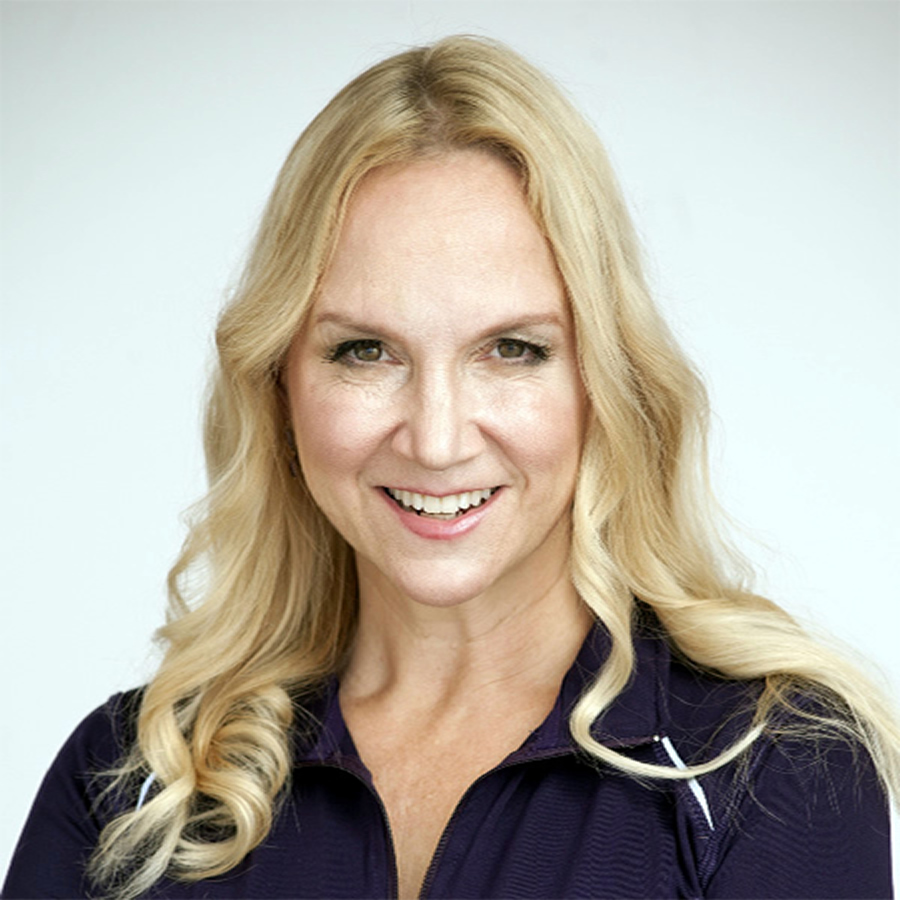
Today, I turn 62, and I'm training for 100. I don't know if I'll get there—but I'm going to live as if I might.
This self-acknowledgment arrives at a critical juncture. You see, I was laid off last month. Retirement is now technically available to me. I am still not interested.
I have no desire to retreat. I want expansion in my life, not contraction. In fact, I want to keep working, even after they say I'm no longer welcome decades from now. I will find some purpose, some goal to achieve, because that's who I am—an achiever. I get things done.
But here's another honest truth: I hate aging. I don't like seeing the bits and pieces of me break down. I now wear three distinct eyeglass prescriptions for reading, computer, and driving because transition lenses don't work well for me. I'm in a constant battle with my post-menopausal body at all times. But I'm not giving in. I want to push my biological clock with the resources I do have.
Which means I won't be dropping big bucks on plastic surgery. I can't afford it, for starters. Second, I have family priorities, and my vanity is not at the top of the list. My health is, however.
I can still haul 50-pound dog food bags into the house without asking for help, so I'm not exactly frail. But there is one embarrassing truth: I can't do a proper push-up or chin-up to save my life.
Every time I watch those movie scenes where the hero hangs from a cliff by their fingertips and somehow pulls themselves up, I know exactly how my version would end. I'd be gone in about ten seconds.
That, apparently, is something I need to work on.
So many conversations wrap around who we will rely on as we age. Yet there is a balance to strike here—one of independence, and one of connectedness. I realized something uncomfortable: longevity isn't just luck. It requires strength, purpose, and people.
Why do we spend so much time preparing for financial retirement, but our social connections are often an afterthought?
Personally, I have very few close friends. My two closest female friends live at a great distance from me. One is in Denver, and the other is in Halifax, Nova Scotia. Acquaintances are many through social media. But when was the last time I connected with them face-to-face? My remaining family is scattered across the map.
I've spent decades diligently saving for retirement, yet I've invested little in my relationships. I have not found the time to volunteer. Nor do I add to our local community.
I am the breadwinner of our household. My work is done remotely from the computer. The price of working digitally is the lack of real, human contact. I'm the prime culprit at risk for loneliness in my elder years, and that worries me.
My greatest quiet fear right now would be to lose my husband. He vows he's going to be right alongside me on this path. I hope so. But I'm no stranger to abrupt loss. I have settled four estates that I did not want to handle; I was the one on hand.
As a woman, I am statistically more likely to outlive him, and that is just math. A healthy way to approach that dread is to act and move outwards. I never want to replace him. But I also want to ensure that my identity doesn't breathe only with his existence, and that my community and purpose are not singularly anchored.
Thus, I want to diversify my emotional portfolio now.
To change that course, I need to reach out to others. So, I'm making a dual commitment to myself and a public declaration. I want witnesses. As I document my journey and possibly change, I want to be held accountable.
Nudge me.
“Have you gone to the gym this week?”
And I want participants. I intend to interview other active, dynamic seniors in their 70s, 80s, and 90s from my own area. I want to learn how they do it. I want to learn what keeps them motivated, moving, and inspired.
If I were to become a single senior, I want to live my best life, not alone or lonely. I don't want to be the last one standing in a shrinking circle.
I want to see my circle widening even as time narrows.
Because I suspect I'm not the only person driving along this journey.
I'm still doing the math.